
Heat pumps for period properties in Scotland: can you keep the character and improve the comfort?
On the first properly cold morning of winter, an older home tends to tell you where its heating falls short. There’s the front room with the bay window that takes all morning to warm up, the draught across the hallway and the extension that seems to be on a different heating schedule from the rest of the house. If you’re looking at heat pumps for period properties, those details are a useful starting point. They tell us where you want the most improvement and what needs a closer look during the survey.
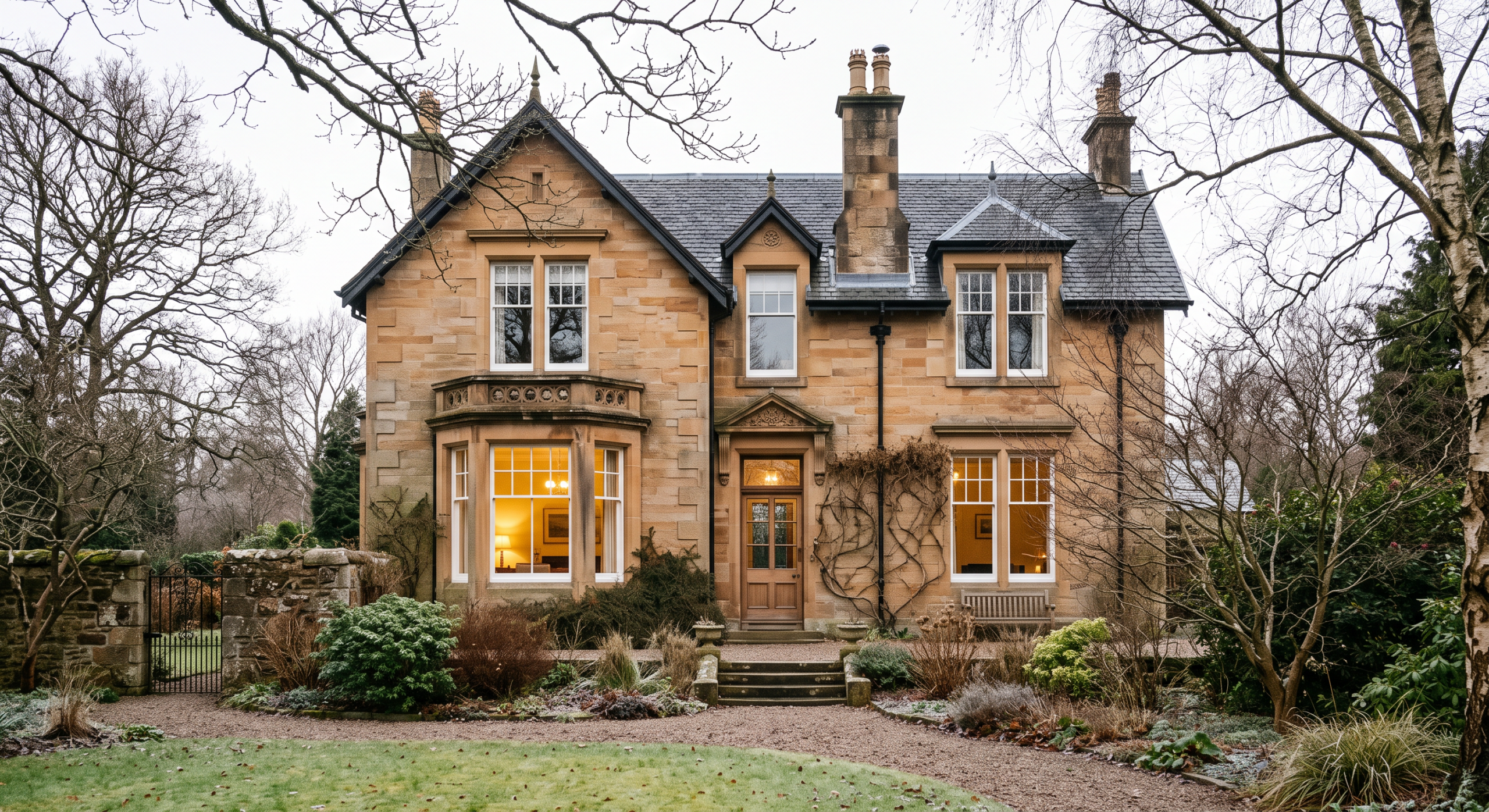
A heat pump can be a good fit for a traditional Scottish home, including a sandstone villa, a Victorian terrace or a rural farmhouse. The design needs to reflect how the building loses heat, what its existing radiators can deliver and where the equipment can go. There may be original floorboards you want to leave in place, a stone elevation you want to keep clear or a garden you’d rather avoid disturbing. Those priorities help shape the system from the first conversation.
Historic Environment Scotland’s guide to air source heat pumps in traditional buildings explains how these systems can be integrated into older buildings, including ones with high heat demand. Here’s what that means in practice, and where the Kronoterm ADAPT 2, VERSI-I and ETERA fit.
Start with how your home loses heat
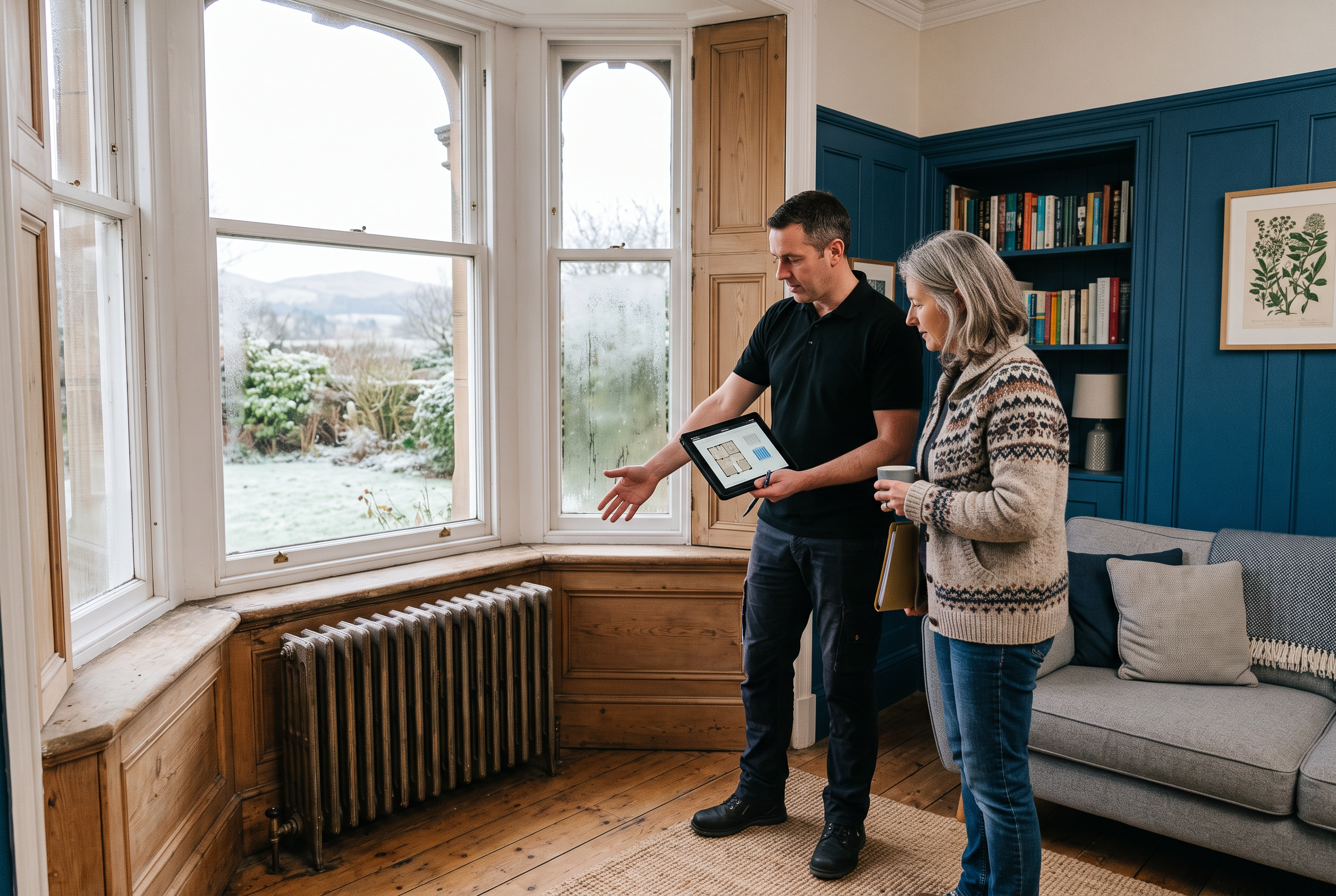
Two houses built in the same decade can need quite different heating systems. A sheltered mid-terrace shares walls with its neighbours. A detached villa may have exposed walls on four sides, tall ceilings and a stairwell that connects several floors. Add a loft conversion or a rear extension and there may be three generations of building construction under one roof. Room-by-room heat loss calculations account for those differences.
During a Renewable Heat home assessment, we look at the building fabric, glazing, ventilation and existing heating system. A heat loss calculation estimates how much heat each room needs to hold its target temperature on a cold design day. Those figures help us select a heat pump with enough output at the relevant outdoor temperature and size the radiators or underfloor heating to match. The guide to heat pump sizing on our site explains what happens when a system is sized too large or too small.
If the front room is always cold, let us know how you use it and when you notice the difference. The issue could be a draught, a radiator that struggles to deliver enough heat or a combination of the two. A heating design can deal with the room’s calculated heat demand, while repairs or well-chosen improvements to the building may address the underlying discomfort.
Prioritise improvements that suit the building
People often ask how much insulation they need before they can fit a heat pump. In a period home, a better first question is where the most useful improvements are. Repairing draughty sash windows, fitting suitable secondary glazing or improving loft insulation can be worth considering, especially if those jobs are already part of a renovation. There may also be repairs to make first, such as dealing with defective rainwater goods or damp affecting an exposed wall.
The Historic Environment Scotland guide to energy retrofit explains how moisture, ventilation and insulation interact in traditional construction. Solid stone walls and suspended timber floors need a different approach from modern cavity walls and concrete floors. Draught-proofing can improve comfort, but you still need adequate ventilation. If you’re considering substantial changes to solid walls or floors, get advice from someone who understands traditional buildings.
Timing matters too. If you’re planning new glazing or roof insulation, tell your heating designer what’s been specified and when it will be installed. That gives them a basis for sizing the system around the home you’ll actually be living in. For an occupied house with renovations spread over several years, agree which improvements the design assumes will be in place when the heat pump goes live.
Find out which radiators and pipework you can keep
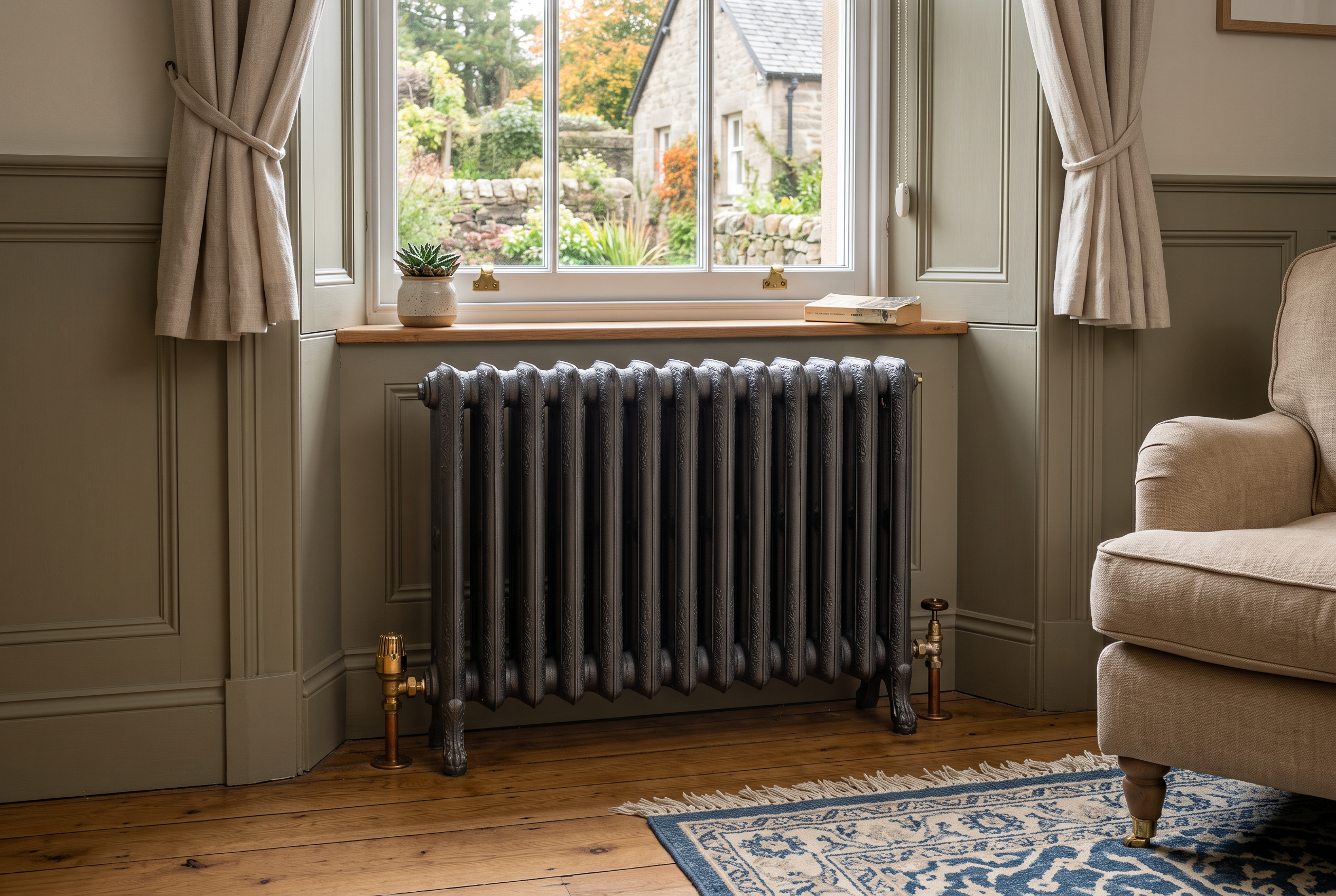
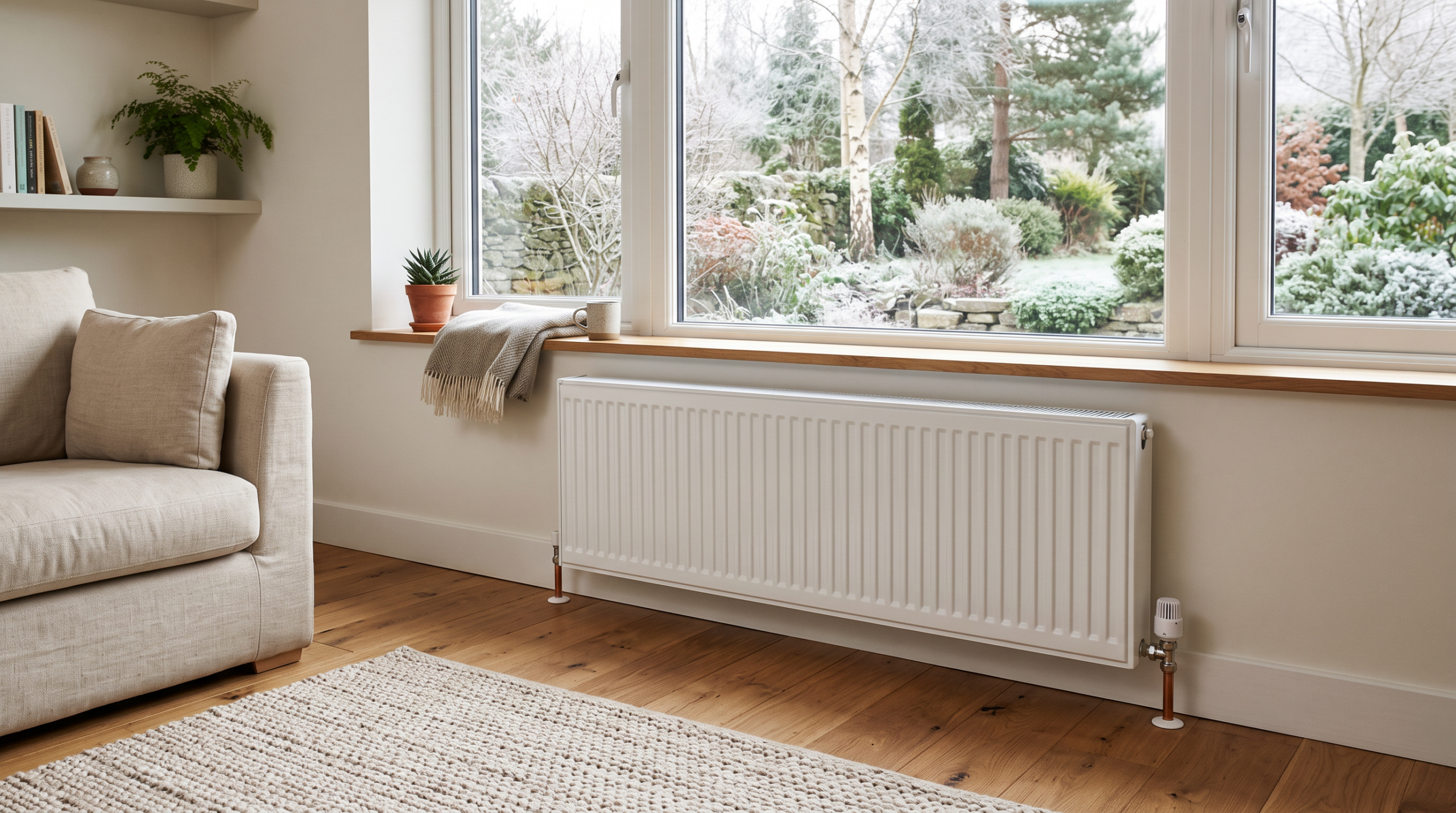
The existing radiators are often one of the first things homeowners want to retain. Maybe you have a cast-iron column radiator that fits perfectly under a sash window, or you’ve just decorated and want to avoid moving pipework. We can assess the heat output of each radiator at the proposed water temperature and compare it with what the room needs. An existing radiator can stay if it delivers enough heat and is in suitable condition.
Energy Saving Trust’s guide to heat pumps explains why heat pumps generally work more efficiently at lower flow temperatures. Flow temperature is the temperature of the water leaving the heat pump for your radiators or underfloor heating. With cooler water, the same radiator gives off less heat. Where a room needs more output, a deeper double- or triple-panel radiator can sometimes fit in roughly the same wall space. In a large room with a bay window, two suitably placed radiators may make more sense than a single oversized one.
Pipework deserves its own assessment. We need to know whether the existing pipes can carry the required water flow, how they’re routed and what condition they’re in. That matters particularly where pipes disappear beneath original boards or behind decorative plasterwork. If a section needs replacing, agreeing on the route and how the finishes will be made good is part of planning the job.
You can also mix radiators with water-based underfloor heating if the system is designed for both. For example, it may make sense to fit underfloor heating in a kitchen extension while retaining radiators in the original rooms. If you’re already replacing a floor, that’s the time to check available build-up depth and how the new floor level will meet existing doors, thresholds and skirtings.
Kronoterm heat pumps for period properties
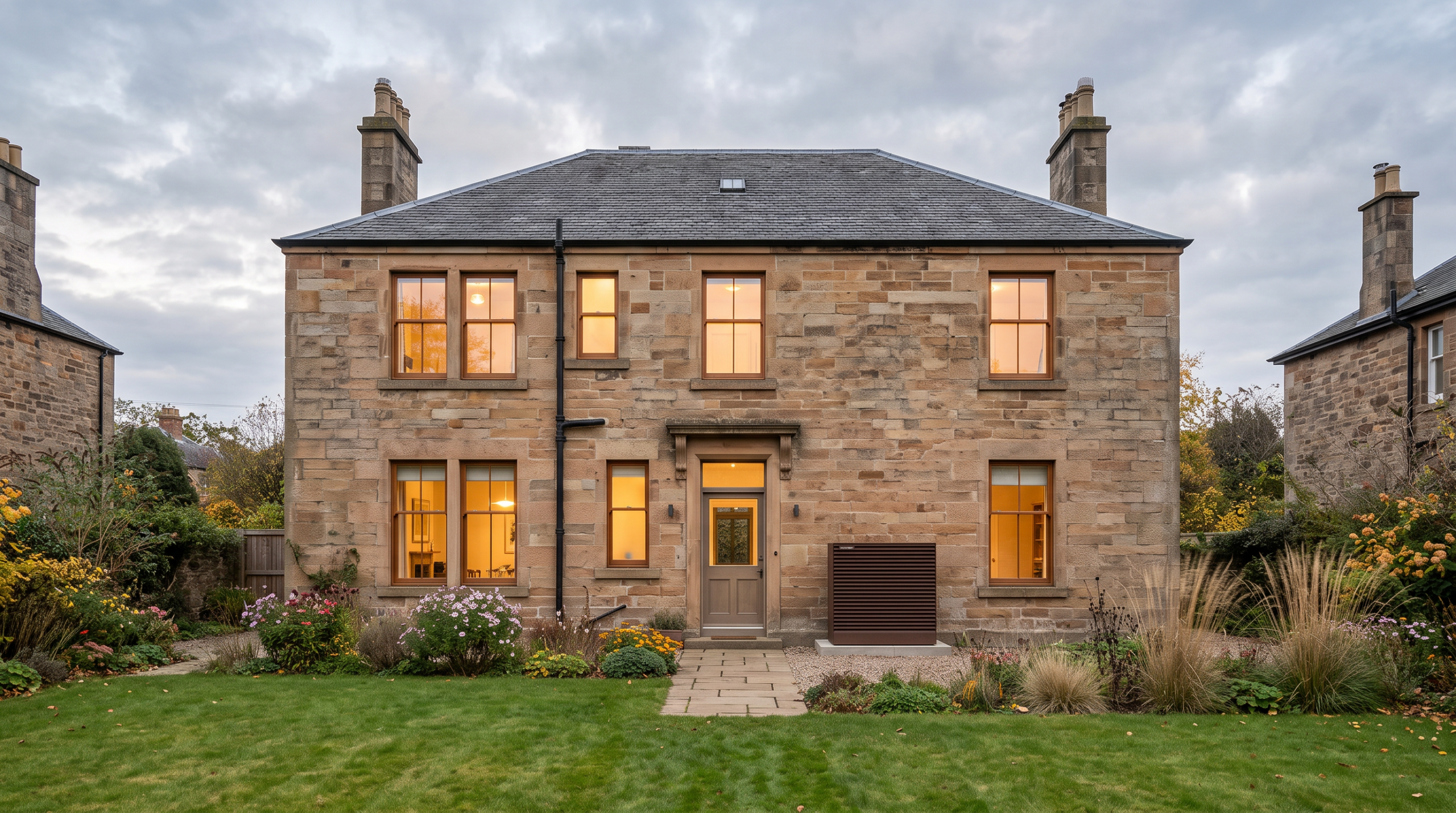
The three Kronoterm options below solve different problems. A visible outdoor unit may be perfectly acceptable on a farmhouse with a sheltered service yard. A cottage with a small courtyard might have a better option indoors. A country property with suitable ground could use a ground source system and keep the main elevations clear of an outdoor fan unit.
Kronoterm ADAPT 2 for a discreet outdoor installation
The Kronoterm ADAPT 2 is an outdoor air source heat pump with a louvred casing and natural R290 refrigerant. It’s an option where an outdoor unit can sit comfortably in the setting. A rear service area or a position beside a secondary elevation may be worth exploring, depending on the layout, access, airflow and applicable planning rules. As part of the design, check the manufacturer’s clearances and safety requirements for the exact model, including how it sits in relation to openings and drains.
ADAPT 2 can supply higher water temperatures where the design calls for them. That can be useful when reviewing what to keep from an older heating system. We still aim for the lowest flow temperature that keeps the rooms comfortable on the design day. Ask what temperature your proposal assumes, which radiators it relies on and how much heat the selected unit can deliver on the coldest days the system is designed for.
Custom RAL colours and architectural finishes

Colour works best when you choose it for the position the unit will occupy. A dark brown-grey such as Nero (RAL 8019) can sit quietly beside dark-painted joinery or in the shadow of an outbuilding. Olive green may work against a planted backdrop. Beside pale sandstone, it’s worth looking at a mid-tone sample outside, where shade and wet stone change how the colours read. Picking up the colour of a drainpipe, door or garden structure can be more effective than trying to match varied stonework exactly.
Adapt 2 is available in a variety of finishes. If you’re working to an architect’s colour schedule, have a specific RAL reference in mind or want to coordinate with existing metalwork, ask about a factory custom finish. Confirm the finish, availability, price and lead time for the model you’re specifying. A physical sample is useful before you approve the order or include the colour in drawings.
Kronoterm VERSI-I where an indoor unit could work
The indoor Kronoterm VERSI-I is a compact air source option for suitable homes with limited outdoor space or sensitive elevations. The unit sits indoors and needs dedicated routes for outdoor air to enter and leave. That makes the position of the external grilles, duct routes, equipment access and indoor sound important parts of the design.
A former utility room or other service space might be worth assessing if it offers practical duct routes and enough space for installation and servicing. On a listed property, discuss any new openings with the planning authority before settling on a position. Heat output is the first check. A compact VERSI-I may suit a smaller period home with a modest heat demand. A large detached villa may call for a different unit, even if indoor siting is appealing.
Kronoterm ETERA where the grounds suit ground source
The Kronoterm ETERA ground source heat pump sits indoors and draws heat from the ground through a suitably designed collector. The system avoids an outdoor fan unit, making it worth exploring on properties where views of the house or garden are a priority.
Horizontal ground loops typically need enough open land for trenches. Vertical boreholes use less surface area but require suitable ground and access for drilling equipment. For a farmhouse or country house, we’d look at existing trees, garden walls, buried services and where machinery can get in. We’d also consider what will need reinstating. Our ground source heat pump service in Central Scotland can help you weigh the groundwork, plant space and running costs against an air source installation.
Check Scottish planning rules before fixing the layout
A period property can be unlisted, individually listed, in a conservation area or subject to more than one designation. Each of those circumstances can affect where and how equipment can be installed. Establish the property’s status early, then show your council the proposed position, equipment dimensions and any grilles or pipe routes that would affect the outside of the building.
Under the Scottish Government’s householder permitted development guidance, some domestic air source heat pumps qualify as permitted development if they meet the Class 6H conditions. These rights exclude installations within the curtilage of a listed building or within a World Heritage Site. In a conservation area, a unit mounted on the dwelling must be at ground-floor level on the rear elevation to qualify under that class. Freestanding units are assessed under other siting conditions within the same class, so ask your council how the rules apply to your layout.
Historic Environment Scotland’s guide to listed building consent explains how alterations that affect a building’s special character can require consent. This may include changes inside the building as well as outside it. Ask the local authority which permissions or consents apply before ordering equipment, particularly if the work involves new holes in historic masonry or alterations to significant interiors.
Plan around sound, frost and everyday access
A quiet unit can still be poorly placed. In a narrow stone courtyard, hard surfaces can reflect sound towards a bedroom or neighbouring window. Assess the intended location with the equipment’s acoustic data and the relevant planning noise standard. Allow enough space for airflow and maintenance. If you’re using planting to soften the view, plan for its mature size so it stays clear of the unit’s intake and discharge.
On cold, damp days, an outdoor air source unit periodically defrosts. The water it releases needs somewhere suitable to drain, especially near stone steps, paths or an entrance where it could freeze. Our article on how heat pumps work in Scotland’s climate explains why damp conditions near freezing matter to the design. Talk through where the unit will sit, how it will drain and how an engineer will reach it for servicing before agreeing the final position.
What to look for in a heat pump proposal for a period home
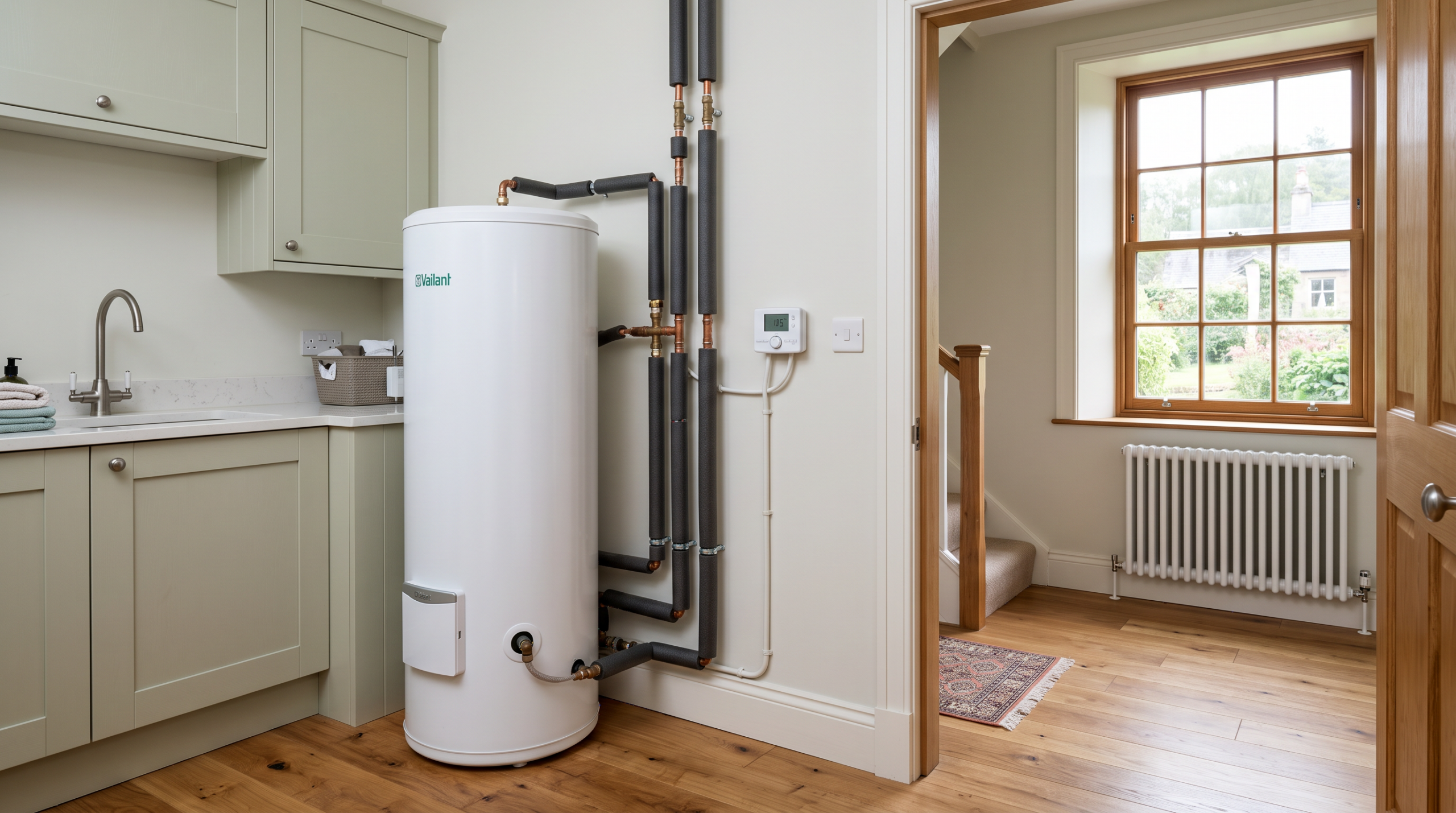
A good proposal should show how the heating will work room by room and what the installation means for the house. Ask which radiators you can keep, where pipes will run, how much room the hot water cylinder and controls need, and who will handle any making good. If the work is taking place while you live there, ask when heating or hot water will be interrupted and how the installer plans to sequence the work.
For running costs, ask what annual heat demand, seasonal efficiency and electricity tariff the estimate uses. Your current fuel, the condition of your existing system and how warm you choose to keep your home all affect the comparison. If some rooms have been underheated for years, a system that keeps them comfortable may deliver more heat overall. Our guide to heat pump and boiler installation costs in Scotland explains what can sit behind the headline quote.
Eligible homeowners can check the Home Energy Scotland Grant and Loan for current heat pump funding and application requirements. If you intend to use the scheme, wait for the written funding offer before installation work starts. Once the system is in use, our heat pump servicing and maintenance team can help keep it running as intended.
Talk to us about your period home
Start with the rooms you most want to make more comfortable and the parts of the house you want to protect. Photos of the existing radiators, potential equipment locations and any renovation plans are useful, particularly if you’re speaking to an architect or conservation officer too.
If you’re weighing up air source heat pump options in Central Scotland, or wondering whether your garden makes ground source worth investigating, book an introductory call with Renewable Heat and we’ll talk through what’s practical for your property and what we’d need to check during a survey.
Installing a heat pump is an important step towards changing the […]
You may need bigger radiators for a heat pump in some rooms. In […]
On the first properly cold morning of winter, an older home tends to […]